
How to Make Mexican Coffee | Authentic Café de Olla Recipe
To make authentic Mexican coffee, known as Café de Olla, you simmer coarsely ground coffee with piloncillo (unrefined cane sugar), a cinnamon stick, and optional orange peel in water for 5 to 7 minutes, then strain. The official recipe from Mexico’s tourism board specifies 4 tablespoons of coffee to 4 cups of water, with one piloncillo cone.
Most guides get the spirit right but miss the specific ratios and the physical reason a clay pot matters. They tell you to use brown sugar and cinnamon, which works, but the result lacks the deep, earthy molasses character of real piloncillo. They also treat the clay pot as a quaint visual prop instead of a functional tool that changes the brew’s flavor and heat retention.
This guide walks through the traditional method sourced directly from VisitMexico.com, explains what to do when you can’t find piloncillo or an olla, and shares a modern workaround I picked up from a Mexican home cook’s YouTube tutorial.
Key Takeaways
- The official Mexican government recipe uses a 1:16 coffee-to-water ratio (4 tbsp coffee to 4 cups water) with one piloncillo cone and a cinnamon stick.
- Piloncillo is non-negotiable for authentic flavor; its molasses notes are irreplaceable. Dark brown sugar is the closest substitute but will taste different.
- Using a traditional olla de barro (clay pot) isn’t just for show. The porous clay imparts a subtle minerality and maintains a steady, gentle heat that prevents scorching the sugar.
- Steeping time is critical. Less than 5 minutes tastes weak; over 7 minutes and the spices dominate, turning the coffee bitter and astringent.
- You can make a credible version in a regular saucepan or even an electric kettle with a built-in infuser. The method changes, but the core ingredients do not.
What is Mexican Coffee (Café de Olla)?
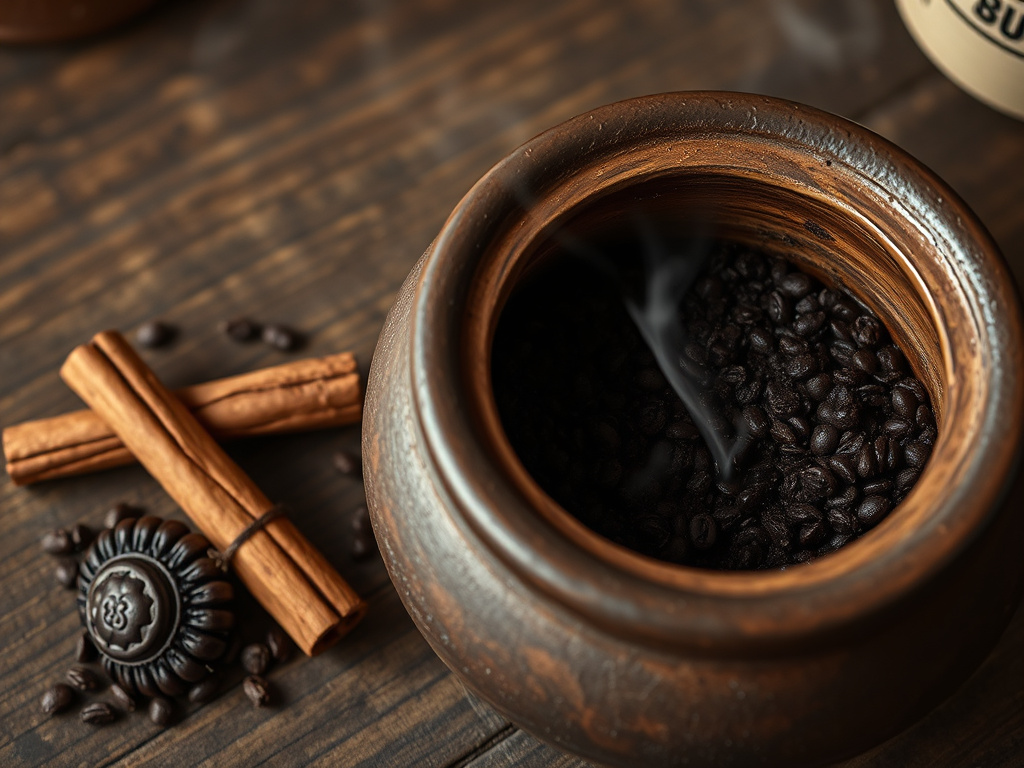
Mexican coffee, specifically Café de Olla, is not a brewing method like pour-over or French press. It is a spiced, sweetened coffee drink where the grounds, sugar, and spices are all combined in the pot during the brew. The name translates to “coffee from the pot,” referring to the traditional earthenware olla de barro used to make it. This communal drink is historically tied to rural kitchens and morning meals, designed to be robust, sweet, and comforting.
Café de Olla is a Mexican spiced coffee brewed in clay pots, sweetened with piloncillo and steeped with cinnamon, cloves, and sometimes star anise or orange peel. The official recipe from VisitMexico.com calls for 4 cups of water, 4 tablespoons of coarsely ground coffee, one piloncillo cone, and one cinnamon stick, simmered for 5-7 minutes.
The defining characteristic is the use of piloncillo. This unrefined cane sugar comes in hard cones and carries a complex flavor of molasses, caramel, and a slight smokiness that dark brown sugar only approximates. The spices are whole, not ground, to infuse without clouding the drink. Your bean selection matters less here than in a pure black coffee, as the strong flavors of sugar and spice will mask subtle origin notes. A medium-dark roast with a chocolatey base works perfectly.
TL;DR: Café de Olla is a sweet, spiced communal coffee where everything brews together in one pot, defined by piloncillo sugar and whole cinnamon.
The Core Ingredients (And What You Can’t Skip)
You need four things: water, coffee, sweetener, and spice. The specifics of each change the final cup dramatically.
| Ingredient | Traditional Form | Acceptable Substitute | Risk of Substitution |
|---|---|---|---|
| Sweetener | 1 piloncillo cone | 1/4 cup packed dark brown sugar | Loses the deep molasses, smoky depth; tastes generically sweet. |
| Spice | 1 whole cinnamon stick (2-3 in) | 1/2 tsp ground cinnamon | Creates a muddy, gritty texture and can overpower the brew with a dusty spice flavor. |
| Coffee | 4 tbsp coarsely ground | Medium or fine grind | Fine grind over-extracts quickly during the steep, making the coffee unpleasantly bitter within minutes. |
| Vessel | Olla de barro (clay pot) | Stainless steel saucepan | Loses the earthy, mineral nuance from the clay and risks hotter spots that can scorch the sugar. |
The piloncillo is the hill
Frequently Asked Questions
What is the closest substitute for piloncillo if I can’t find it?
Dark brown sugar is the most accessible alternative, but it will not replicate the authentic flavor. Use an equal amount by weight, as piloncillo’s unique molasses and earthy notes are irreplaceable. For a slightly closer approximation, you can add a tiny drop of pure molasses to your dark brown sugar, though the result will still be different from true Café de Olla.
Can I make Café de Olla without a traditional clay pot?
Yes, you can use a regular saucepan or even an electric kettle with an infuser. The key is to maintain a gentle simmer to avoid scorching the sugar and to stir well to dissolve the piloncillo. While the clay pot adds mineral notes and superior heat retention, a modern pot will still produce a delicious spiced coffee.
Why is the coffee ground coarsely for this recipe?
coarse grind is essential because the coffee steeps directly with the spices and sugar in simmering water. A finer grind would over-extract quickly, leading to excessive bitterness and a muddy texture. The coarse particles allow for a cleaner infusion during the 5 to 7 minute steep, resulting in a balanced and clear brew.
What other spices can I add besides cinnamon?
Common additions include a couple of whole cloves or a piece of star anise for extra warmth and complexity. A strip of orange peel is also traditional, contributing a bright, citrusy aroma. Remember to use whole spices, not ground, to prevent them from overpowering the coffee and making it gritty.
{
“@context”: “https://schema.org”,
“@type”: “HowTo”,
“name”: “How to Make Authentic Mexican Café de Olla”,
“totalTime”: “PT15M”,
“tool”: [
{
“@type”: “HowToTool”,
“name”: “Medium saucepan or traditional olla de barro (clay pot)”
},
{
“@type”: “HowToTool”,
“name”: “Fine-mesh strainer or cheesecloth”
},
{
“@type”: “HowToTool”,
“name”: “Measuring cups and spoons”
}
],
“supply”: [
{
“@type”: “HowToSupply”,
“name”: “4 cups water”
},
{
“@type”: “HowToSupply”,
“name”: “4 tablespoons coarsely ground coffee”
},
{
“@type”: “HowToSupply”,
“name”: “1 piloncillo cone (or 1/4 cup packed dark brown sugar)”
},
{
“@type”: “HowToSupply”,
“name”: “1 cinnamon stick (2-3 inches)”
},
{
“@type”: “HowToSupply”,
“name”: “1 strip orange peel (optional)”
}
],
“step”: [
{
“@type”: “HowToStep”,
“name”: “Combine water and spices”,
“text”: “Add 4 cups of water, the piloncillo (or brown sugar), cinnamon stick, and orange peel to your pot. Bring the mixture to a boil over medium heat, stirring until the sugar fully dissolves.”
},
{
“@type”: “HowToStep”,
“name”: “Add the coffee”,
“text”: “Once boiling, add 4 tablespoons of coarsely ground coffee directly to the pot. Immediately remove it from the heat source.”
},
{
“@type”: “HowToStep”,
“name”: “Steep and strain”,
“text”: “Cover the pot and let the coffee steep for 5 to 7 minutes. Then, pour the brew through a fine-mesh strainer into cups or a serving carafe to remove the grounds and spices.”
},
{
“@type”: “HowToStep”,
“name”: “Serve immediately”,
“text”: “Enjoy your Café de Olla hot, plain or with a splash of milk. It is traditionally served in clay mugs.”
}
]
}
{
“@context”: “https://schema.org”,
“@type”: “FAQPage”,
“mainEntity”: [
{
“@type”: “Question”,
“name”: “What is the closest substitute for piloncillo if I can’t find it?”,
“acceptedAnswer”: {
“@type”: “Answer”,
“text”: “Dark brown sugar is the most accessible alternative, but it will not replicate the authentic flavor. Use an equal amount by weight, as piloncillo’s unique molasses and earthy notes are irreplaceable. For a slightly closer approximation, you can add a tiny drop of pure molasses to your dark brown sugar, though the result will still be different from true Café de Olla.”
}
},
{
“@type”: “Question”,
“name”: “Can I make Café de Olla without a traditional clay pot?”,
“acceptedAnswer”: {
“@type”: “Answer”,
“text”: “Yes, you can use a regular saucepan or even an electric kettle with an infuser. The key is to maintain a gentle simmer to avoid scorching the sugar and to stir well to dissolve the piloncillo. While the clay pot adds mineral notes and superior heat retention, a modern pot will still produce a delicious spiced coffee.”
}
},
{
“@type”: “Question”,
“name”: “Why is the coffee ground coarsely for this recipe?”,
“acceptedAnswer”: {
“@type”: “Answer”,
“text”: “coarse grind is essential because the coffee steeps directly with the spices and sugar in simmering water. A finer grind would over-extract quickly, leading to excessive bitterness and a muddy texture. The coarse particles allow for a cleaner infusion during the 5 to 7 minute steep, resulting in a balanced and clear brew.”
}
},
{
“@type”: “Question”,
“name”: “What other spices can I add besides cinnamon?”,
“acceptedAnswer”: {
“@type”: “Answer”,
“text”: “Common additions include a couple of whole cloves or a piece of star anise for extra warmth and complexity. A strip of orange peel is also traditional, contributing a bright, citrusy aroma. Remember to use whole spices, not ground, to prevent them from overpowering the coffee and making it gritty.”
}
}
]
}
