
The Real Differences Between White Coffee and Black Coffee
The real difference between white coffee and black coffee is mechanical, not just flavor. White coffee beans are roasted at 325°F–350°F, leaving them pale, hard, and only grindable by commercial equipment. Black coffee beans are roasted past that point, becoming brown and soft enough for any home grinder and brewer.
White coffee is coffee roasted at a low temperature of 325°F to 350°F, leaving the beans pale, hard, and with a nutty, mild flavor best suited for espresso. Black coffee refers to any coffee roasted past that point, from light to dark, producing the familiar brown beans used for all brewing methods. The confusion starts because “white coffee” also names a Malaysian drink where beans are roasted with margarine and served with sweetened condensed milk. Knowing which definition you’re dealing with changes the beans you buy, the gear you need, and the cup you get.
Most guides treat this as a simple flavor comparison. They miss the gear mismatch entirely. You can’t brew white coffee in a Moccamaster. Trying to pull a white coffee shot on a machine set for dark roast espresso chokes the pump. The real divide is mechanical.
This guide breaks down the roast specs, the mandatory brewing gear, and the taste you should expect from each. You’ll learn why white coffee isn’t just a light roast, which machines can handle it, and when you should stick with classic black.
Key Takeaways
- White coffee beans are roasted at 325°F–350°F, halting the Maillard reaction early for a pale, hard bean with a nutty, cereal-like flavor and higher density.
- You must brew white coffee as espresso; its rock-hard density and low solubility choke drip or pour-over methods, resulting in weak, sour coffee.
- The term “Ipoh white coffee” refers to a Malaysian preparation where beans are roasted with margarine and served with condensed milk, not the low-temperature roast.
- Despite claims, white coffee does not contain significantly more caffeine than black coffee; the small difference by weight is negligible in the cup.
- Black coffee encompasses all roasts from light to dark, is brewed with any method, and offers the full spectrum of flavors from fruity to chocolatey.
The 325°F Roast That Defines White Coffee
Forget color. The difference is a temperature stopwatch. Standard coffee roasting starts around 380°F and climbs past 400°F for first crack. White coffee roasting stops at 325°F to 350°F.
White coffee is roasted around 325°F–350°F, compared to 400°F+ for light to medium roasts. This low-temperature roast halts the Maillard reaction and caramelization early, preserving chlorogenic acid and producing a pale, dense bean.
That temperature cliff matters. It stops the Maillard reaction, the chemical process that creates hundreds of flavor compounds and turns beans brown, before it really begins. Caramelization of sugars never happens. The bean stays pale tan, almost white. It also stays hard. Rock hard. The cellular structure doesn’t expand and become brittle like a fully roasted bean.
The flavor is grain-forward. Think roasted nuts, toasted wheat, and a distinct lack of the fruity or chocolatey notes you get from even a light roast. Acidity is virtually absent. This isn’t a delicate light roast. It’s a different product.
TL;DR: White coffee is defined by a 325°F–350°F roast that produces a pale, hard bean with a nutty, low-acid flavor, not by the color of the drink.
Why You Can’t Grind It in a Cheap Grinder
That hardness isn’t a minor detail. A white coffee bean is so dense it can stall a blade grinder’s motor. In a cheap burr grinder, it wears down the burrs faster. You need a grinder with a strong motor and hardened steel or ceramic burrs.
The grind itself is different. Even at an espresso fineness, the particles are more uniform and less fluffy than ground dark roast. They pack tighter. This leads to the first major brewing roadblock: white coffee grounds offer immense resistance to water flow. A standard drip brew cycle will under-extract, leaving you with a weak, sour cup. The only method that pushes water through with enough force is espresso.
| Characteristic | White Coffee | Light Roast Black Coffee |
|---|---|---|
| Roast Temperature | 325°F – 350°F | 400°F – 415°F |
| Bean Color | Pale tan, beige | Light brown |
| Bean Density | Very high, rock hard | High, brittle |
| Dominant Flavor | Nutty, cereal, mild | Fruity, floral, tea-like |
| Acidity | Very low | Bright, high |
| Best Brew Method | Espresso only | Any (pour-over, drip, espresso) |
The Brewing Clash: Espresso vs. Everything Else
This is the non-negotiable line. White coffee only works as espresso. Black coffee works with every method from French press to cold brew.
White coffee’s low solubility and high density demand 9 bars of pressure. The standard recipe, per roasters like Bazan Coffee, is an 18-gram dose yielding 36 grams of liquid in 35 to 45 seconds. That extended time is needed to extract enough from the stubborn grounds. The crema is thin and pale blonde, and the shot tastes like hazelnuts and malt.
Try to brew it any other way and it fails. In a pour-over, water channels around the dense grounds. In a Moccamaster KBGT Black or other automatic drip machine, the shower head doesn’t provide enough agitation or pressure. You get a thin, sour, and frankly disappointing cup. The machinery mismatch is total.
Black coffee has no such restrictions. The world of coffee brewing techniques is built for it. You can use a Wilfa Zense for precise temperature control on a light roast, a French press for body, or an AeroPress for clarity. The brewed coffee preparation method you choose directly shapes the coffee flavor profiles you extract.
Common mistake: Trying to brew white coffee in a drip machine, the water passes through too quickly, extracting only the sour acids and leaving the sugars behind. The result is a harsh, unbalanced cup that tastes nothing like the intended espresso.
The Caffeine Myth (and the Real Chemical Difference)
A persistent myth claims white coffee packs a massive caffeine punch. The logic seems sound: caffeine burns off during roasting, so a lighter roast must have more. The reality is more boring.
Yes, by weight, white coffee has slightly more caffeine. But the difference is marginal, maybe 5-10% more than a light roast. In practice, you dose by weight for espresso. An 18-gram dose of white coffee versus an 18-gram dose of light roast yields nearly identical caffeine in the cup. You won’t feel a difference.
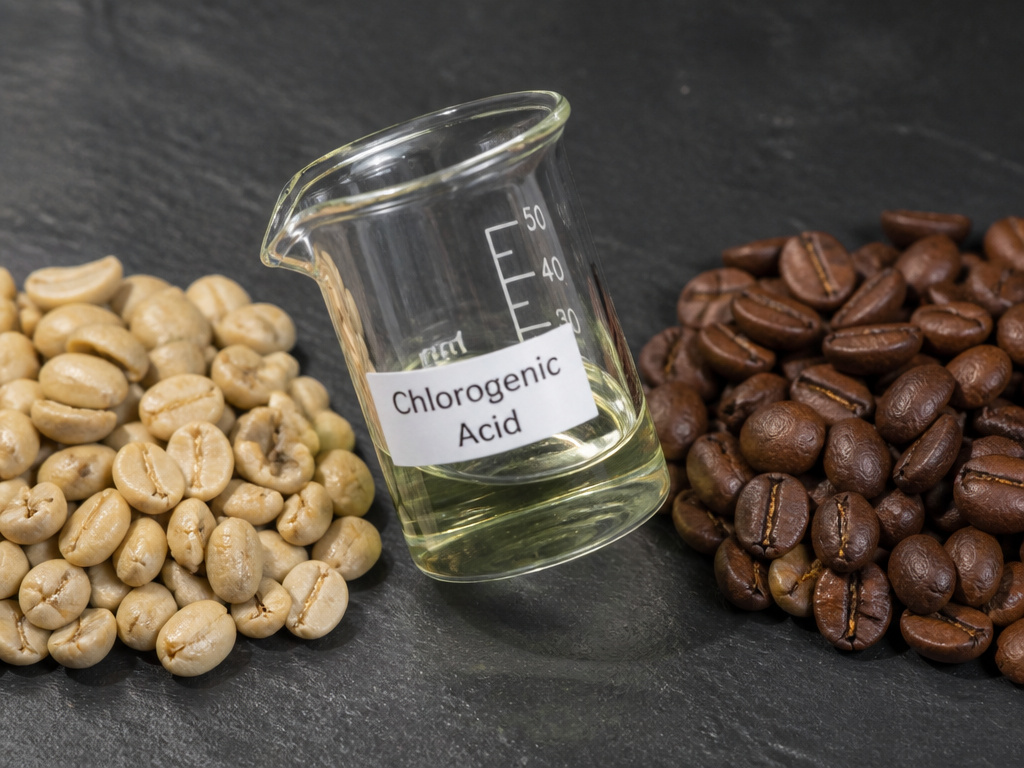
The real chemical difference is chlorogenic acid. This compound, which breaks down during longer roasting, remains abundant in white coffee. It’s a potent antioxidant and contributes to the distinct, sharp brightness some people describe. It’s also a gastric stimulant. That’s why some folks find white coffee harder on their stomach, not because of higher acidity, but because of this specific acid.
If you’re chasing caffeine, you’re better off comparing espresso caffeine content to brewed coffee caffeine by volume. A 2-ounce espresso shot has more caffeine than a 2-ounce portion of drip, but a full 8-ounce cup of drip wins overall.
The Other “White Coffee”: Ipoh’s Buttery Tradition
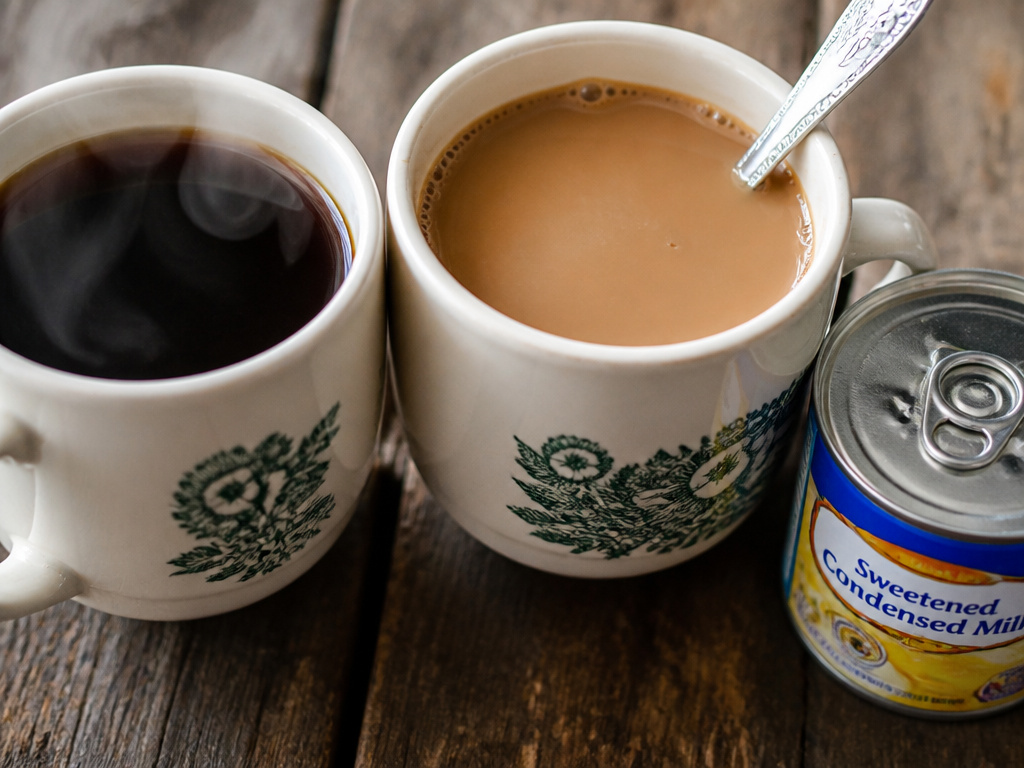
Now for the curveball. Order a “white coffee” in Malaysia, and you’ll get something completely different. Ipoh white coffee involves roasting beans with margarine, then serving the brew with sweetened condensed milk. The “white” refers to the color of the final drink, not the bean.
The margarine roast adds a distinctive, buttery richness and reduces bitterness. It’s a cultural preparation, not a scientific roast category. This is a case of two worlds sharing a name. When you see “white coffee” on a bag, check the description. If it mentions Ipoh, Malaysia, or margarine, you’re getting a traditionally roasted bean meant for a sweet, creamy drink. If it mentions a 325°F roast, you’re getting the hard, pale bean for espresso.
Flavor Showdown: What You Actually Taste
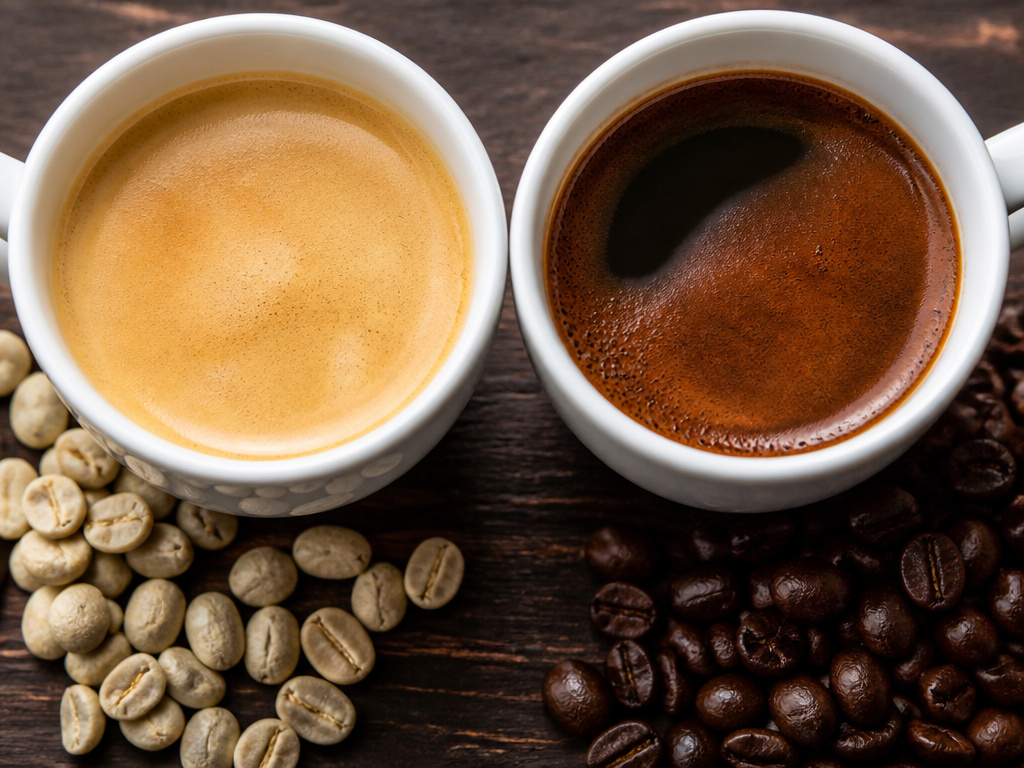
Put the cups side by side and the experience is opposites.
A white coffee espresso is all about subtlety. The flavor is nutty, think raw almond or wheat germ, with a smooth, almost creamy body despite the lack of dairy. There’s no bitterness. Acidity is so low it’s nearly undetectable. The finish is short and clean. It’s a mild, inoffensive cup that pairs exceptionally well with milk, making it a great base for lattes.
A black coffee, even a light roast, is about complexity. You get the bean’s origin story: citrus from Ethiopia, chocolate from Colombia, floral notes from Panama. The flavor of black coffee changes dramatically with roast level. A light roast highlights the bean’s inherent fruity and floral light roast characteristics. A dark roast brings out deep, smoky, chocolatey notes. Acidity and bitterness are in play, balanced by sweetness.
I tried white coffee in a modern third-wave shop expecting a super-charged light roast. What I got was a shot that tasted like toasted cereal milk. It wasn’t bad, but it wasn’t coffee as I knew it. The barista had to grind two full settings coarser than his Ethiopian light roast to get the shot to run in 40 seconds. The machine groaned.
Who Should Drink Which?
Your choice isn’t about better or worse. It’s about your gear, your palate, and your goals.
Choose white coffee if:
* You own an espresso machine and a capable grinder.
* You dislike acidic or bitter coffee.
* You primarily drink milk-based espresso drinks (lattes, cappuccinos).
* You want to try a novel, nutty flavor profile.
Choose black coffee if:
* You brew with any method, drip, pour-over, French press, etc.
* You enjoy exploring the varied flavors of different single-origin coffees.
* You appreciate acidity and complexity in your cup.
* You want the full spectrum of options, from blonde roast beans to dark French roast.
The gear gate is real. Without an espresso machine, white coffee is a non-starter. Black coffee welcomes all.
Grinding and Storage: Two Different Rulebooks
Because white coffee beans are so dense, they behave differently from day one.
Grinding: Always grind white coffee immediately before brewing. Its hard structure causes more fracturing, which creates fines. These fines stale faster than grounds from a softer bean. If you must pre-grind, use it within 20 minutes. For black coffee, you have a bit more leeway, 30 minutes to an hour for peak freshness, though fresh is always best. A quality burr grinder is non-negotiable for both, but essential for white coffee to achieve the precise, consistent particle size needed for espresso.
Storage: The rules converge here. Both need an airtight container away from light, heat, and moisture. White coffee’s higher chlorogenic acid content might make it slightly more susceptible to absorbing off-flavors, so keep it away from strong spices. Whole beans for both types last about 3-4 weeks after roasting before noticeable decline. Ground coffee starts fading in minutes.
| Aspect | White Coffee | Black Coffee |
|---|---|---|
| Grind Timing | < 20 minutes before brewing | < 60 minutes before brewing (ideal) |
| Grinder Demand | High-torque motor, hardened burrs mandatory | Any quality burr grinder sufficient |
| Bean Shelf Life | 3-4 weeks (whole bean) | 3-4 weeks (whole bean) |
| Biggest Storage Threat | Absorption of nearby odors | Exposure to oxygen and light |
Frequently Asked Questions
Is white coffee stronger than black coffee?
No, not in the way most people mean. It is not significantly higher in caffeine. “Strength” in terms of flavor intensity is also lower, as white coffee is milder and less bitter. Its “strength” is a dense, nutty concentration best experienced as espresso.
Can you drink white coffee black?
You can, but you might not want to. Without milk or sugar, the nutty, cereal-like flavor can taste one-dimensional compared to the complex fruit, chocolate, and floral notes of a black coffee. It’s designed as a mixer.
Does white coffee have less acid?
Yes, substantially less. The low-temperature roast preserves chlorogenic acids but doesn’t develop the brighter citric and malic acids associated with black coffee. This makes it a common choice for people with acid sensitivity.
What is the best way to try white coffee?
Find a specialty roaster that sells it (Bazan Coffee is a notable one) and brew it as espresso. If you don’t have an espresso machine, visit a cafe that offers it and order a white coffee latte. Avoid the pre-ground “white coffee” blends meant for drip, they defeat the purpose.
Is NESCAFÉ White Coffee the same thing?
No. NESCAFÉ White Coffee is an instant coffee product that includes skimmed milk powder and creamer. It’s a ready-to-drink mix named for the color of the beverage with milk added, not the low-temperature roast style of the beans.
Before You Go
White coffee versus black coffee isn’t a light versus dark roast debate. It’s a fork in the road. One path leads to a specific, low-temperature roast that demands an espresso machine and delivers a mild, nutty shot. The other encompasses the entire world of coffee, from the fruity highs of a light Ethiopian to the smoky depth of a French roast, brewed any way you like.
Your machine decides. If you have an espresso setup, grab a bag of true white coffee beans and pull a 35-second shot. Taste the difference the 325°F roast makes. If you’re a pour-over or drip devotee, stick with the vast, flavorful world of black coffee. Just know that the next time you see “white coffee,” you need to ask: is it the pale bean, or the Malaysian drink? The answer changes everything in your cup.
{
“@context”: “https://schema.org”,
“@type”: “HowTo”,
“name”: “How to Brew White Coffee Espresso”,
“totalTime”: “PT10M”,
“tool”: [
{
“@type”: “HowToTool”,
“name”: “Espresso machine capable of 9 bars”
},
{
“@type”: “HowToTool”,
“name”: “Burr grinder set for white coffee’s specific fineness”
},
{
“@type”: “HowToTool”,
“name”: “Scale accurate to 0.1 grams”
}
],
“step”: [
{
“@type”: “HowToStep”,
“name”: “Weigh and grind the beans”,
“text”: “Dose 18 grams of white coffee beans into your grinder. Grind to a fineness slightly coarser than traditional espresso, as the harder bean creates more resistance.”
},
{
“@type”: “HowToStep”,
“name”: “Dose and tamp the portafilter”,
“text”: “Transfer the grounds to your portafilter, distribute evenly, and tamp with firm, even pressure. The puck will feel harder than a dark roast puck.”
},
{
“@type”: “HowToStep”,
“name”: “Pull the shot”,
“text”: “Brew at 9 bars of pressure. Aim for a 1:2 brew ratio (36 grams of liquid) over 35 to 45 seconds. The shot will be pale blonde with visible oils.”
},
{
“@type”: “HowToStep”,
“name”: “Taste and adjust”,
“text”: “The flavor should be nutty and mild with low acidity. If it’s sour, grind finer. If it’s bitter or astringent, grind coarser. The window for adjustment is narrower than with black coffee.”
}
]
}
{
“@context”: “https://schema.org”,
“@type”: “FAQPage”,
“mainEntity”: [
{
“@type”: “Question”,
“name”: “Is white coffee stronger than black coffee?”,
“acceptedAnswer”: {
“@type”: “Answer”,
“text”: “No, not in the way most people mean. It is not significantly higher in caffeine. \”Strength\” in terms of flavor intensity is also lower, as white coffee is milder and less bitter. Its \”strength\” is a dense, nutty concentration best experienced as espresso.”
}
},
{
“@type”: “Question”,
“name”: “Can you drink white coffee black?”,
“acceptedAnswer”: {
“@type”: “Answer”,
“text”: “You can, but you might not want to. Without milk or sugar, the nutty, cereal-like flavor can taste one-dimensional compared to the complex fruit, chocolate, and floral notes of a black coffee. It’s designed as a mixer.”
}
},
{
“@type”: “Question”,
“name”: “Does white coffee have less acid?”,
“acceptedAnswer”: {
“@type”: “Answer”,
“text”: “Yes, substantially less. The low-temperature roast preserves chlorogenic acids but doesn’t develop the brighter citric and malic acids associated with black coffee. This makes it a common choice for people with acid sensitivity.”
}
},
{
“@type”: “Question”,
“name”: “What is the best way to try white coffee?”,
“acceptedAnswer”: {
“@type”: “Answer”,
“text”: “Find a specialty roaster that sells it (Bazan Coffee is a notable one) and brew it as espresso. If you don’t have an espresso machine, visit a cafe that offers it and order a white coffee latte. Avoid the pre-ground \”white coffee\” blends meant for drip, they defeat the purpose.”
}
},
{
“@type”: “Question”,
“name”: “Is NESCAFÉ White Coffee the same thing?”,
“acceptedAnswer”: {
“@type”: “Answer”,
“text”: “No. NESCAFÉ White Coffee is an instant coffee product that includes skimmed milk powder and creamer. It’s a ready-to-drink mix named for the color of the beverage with milk added, not the low-temperature roast style of the beans.”
}
}
]
}
