
What Is a Cubano Coffee? The Sweet, Strong Drink Explained
A Cubano coffee is a strong, sweet espresso-style drink where sugar is whipped with the first few drops of coffee to create a thick foam called espumita. This defines the drink. It’s traditionally made with dark roast in a moka pot and served in small, social servings.
Cubano coffee, or Café Cubano, is a strong, sweet espresso-style drink where the first few drops of brewed coffee are whipped with sugar to create a thick, golden foam called espumita, which is then combined with the rest of the brew. It’s traditionally made with a dark roast in a moka pot and served in small, social servings.
Most people get the sugar part wrong. They think it’s about stirring sugar into finished coffee, or worse, putting sugar in the portafilter of an espresso machine. That misses the point and can wreck your equipment. The magic is in the chemical reaction between raw sugar and the most concentrated, acidic part of the brew.
This guide breaks down what defines a true Cubano, walks you through the authentic method, and explains why this tiny cup carries so much cultural weight.
Key Takeaways
- The defining feature is the espumita: a foam made by whipping raw sugar with the first, most concentrated drops of coffee. Stirring sugar into finished coffee doesn’t create the same texture or flavor.
- It’s a social ritual. A colada is a larger portion meant to be shared among friends, family, or coworkers from small cups called tacitas.
- While dark roasts are traditional, modern interpretations use specific single-origin beans or slightly lighter roasts to highlight natural sweetness over brute force.
- The “sugar-in-the-portafilter” method is a modern shortcut that most experts warn against, as it can harm espresso machines and produces an inferior, gritty drink.
- Your arm is the tool. Achieving the right espumita requires vigorous, manual whipping for 30-60 seconds; a frother or whisk changes the texture.
More Than a Recipe: Defining Café Cubano
A Cubano isn’t just coffee with sugar. It’s a specific chemical and physical transformation. The goal is to create a stable, sweet foam that sits atop a powerfully strong brew, balancing intensity with sweetness in a single sip. This separates it from simply sweetening an Americano or a standard espresso-based drink.
The drink’s identity is tied to the moka pot, known in Cuban homes as la cafetera. This stovetop brewer produces a concentrated, robust coffee that forms the perfect base. While you can approximate it with a real espresso machine, the moka pot’s higher-pressure-but-lower-than-espresso output is part of the traditional profile. The brewing method is non-negotiable for purists.
The café cubano is characterized by a layer of espumita, a frothy, sweet foam created by vigorously whipping the first few drops of freshly brewed coffee with granulated sugar. This foam is then blended with the remaining coffee.
TL;DR: A true Cubano is defined by the espumita foam created from whipping sugar with the first drops of coffee, traditionally brewed in a moka pot.
The Espumita: The Heart of a Cubano
The espumita is the soul of the drink. Without it, you have sweet, strong coffee. With it, you have a Cubano. The process isn’t about dissolving sugar; it’s about aerating and partially caramelizing it.
The first drops from a moka pot are the most concentrated and acidic. Capturing these drops directly into raw sugar and whipping creates a micro-aeration and a minor Maillard reaction. The sugar crystals cut through the coffee, trapping air and transforming into a pale, thick foam that looks like wet sand. This foam is less sweet than fully dissolved sugar and has a distinct, rounded flavor.
Common mistake: Using a milk frother or electric whisk to make the espumita, the rapid agitation incorporates too much air too quickly, creating large, unstable bubbles that collapse when the hot coffee is added, leaving you with a flat, merely sweet drink.
The whipping is a physical workout. It takes a consistent 30 to 60 seconds of vigorous stirring with a spoon. The sound changes from a gritty scrape to a smooth, quiet whip. The color shifts from dark brown to a light, golden tan. Stop when it holds soft peaks. This manual incorporation is what gives the foam its velvety, dense quality that can support the weight of the hot coffee poured over it.
How to Make a Cubano Coffee at Home
You need a moka pot, finely ground dark roast coffee, demerara or white sugar, a small metal pitcher or bowl, and a spoon. A heatproof vessel is critical because those first coffee drops are near-boiling.
Step 1: Brew and Capture.
Fill and assemble your moka pot on medium-low heat. As it begins to brew, have your sugar (1-2 tsp per serving) ready in the metal pitcher. The moment you see the first dark, syrupy drops emerge from the spout, move the pot to catch them directly into the sugar. You only need about a teaspoon of coffee liquid to start. Remove the moka pot from the heat to pause the brew.
Step 2: Whip to Transform.
Now whip. Stir forcefully and rapidly, scraping the bottom and sides of the pitcher. Your forearm will burn. The mixture will look too dry at first, then suddenly become a cohesive, glossy paste. Keep going until it lightens in color and increases in volume. This is your espumita.
Step 3: Combine and Serve.
Return the moka pot to the heat to finish brewing. Pour the hot coffee directly over the whipped espumita. The foam will float and expand. Give it one gentle stir to integrate, then immediately pour into small cups, ensuring each gets a share of the precious foam.
| Ingredient/Tool | Traditional Choice | Why It Matters |
|---|---|---|
| Coffee | Finely ground, dark roast (e.g., Café Bustelo, La Llave) | Provides the intense, robust base that stands up to the sugar. |
| Sugar | Demerara or white granulated | Demerara adds a molasses note; white sugar lets the coffee shine. Both whip effectively. |
| Brewer | 3-cup Moka Pot | Creates the right pressure and concentration. Larger pots dilute the first drops. |
| Whipping Vessel | Small, stainless steel pitcher | Conducts heat away quickly, helping the foam set. |
TL;DR: Catch the first moka pot drops into sugar, whip it like your caffeine depends on it until it’s pale and thick, then pour the rest of the brew over it.
The Cultural Weight of a Tiny Cup
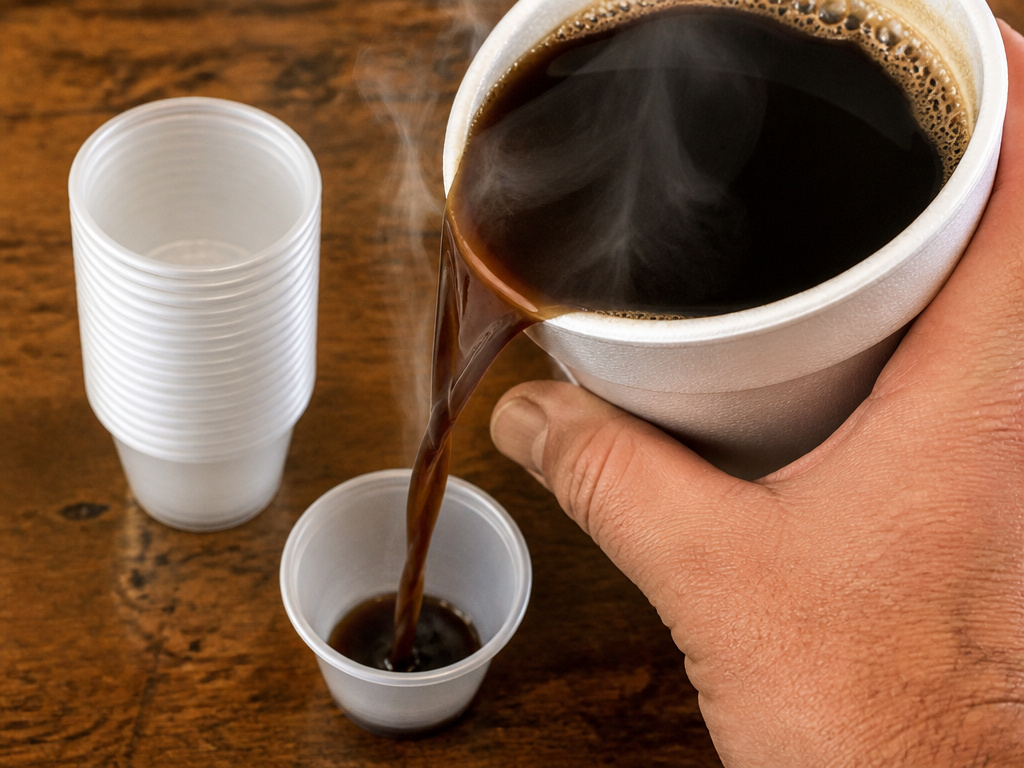
Understanding a Cubano requires looking past the cup. In Cuban and Cuban-American culture, this coffee is a social glue. It’s not a solitary morning ritual; it’s an offering, a pause, a reason to connect.
The colada embodies this. It’s a large Styrofoam cup filled with several servings of Cubano, paired with a stack of tiny plastic cups (tacitas). You bring it to the office, a job site, or a family gathering. Sharing the colada is an act of community. The drink’s strength means a small cup is sufficient, and the shared experience is the point. This social function is as important as the caffeine content in each potent serving.
The drink’s history is one of adaptation. While it originated in Cuba, its iconic status was cemented in diaspora communities, especially in Miami and Tampa. There, it became a symbol of identity and resilience. You’ll find it served at windows (ventanitas) of cafes, where the sound of the espresso machine and the call of “Café!” are part of the urban soundtrack. This cultural journey is as complex as the choice between single-origin coffees and blended coffees for the base.
Beans, Roasts, and Modern Twists
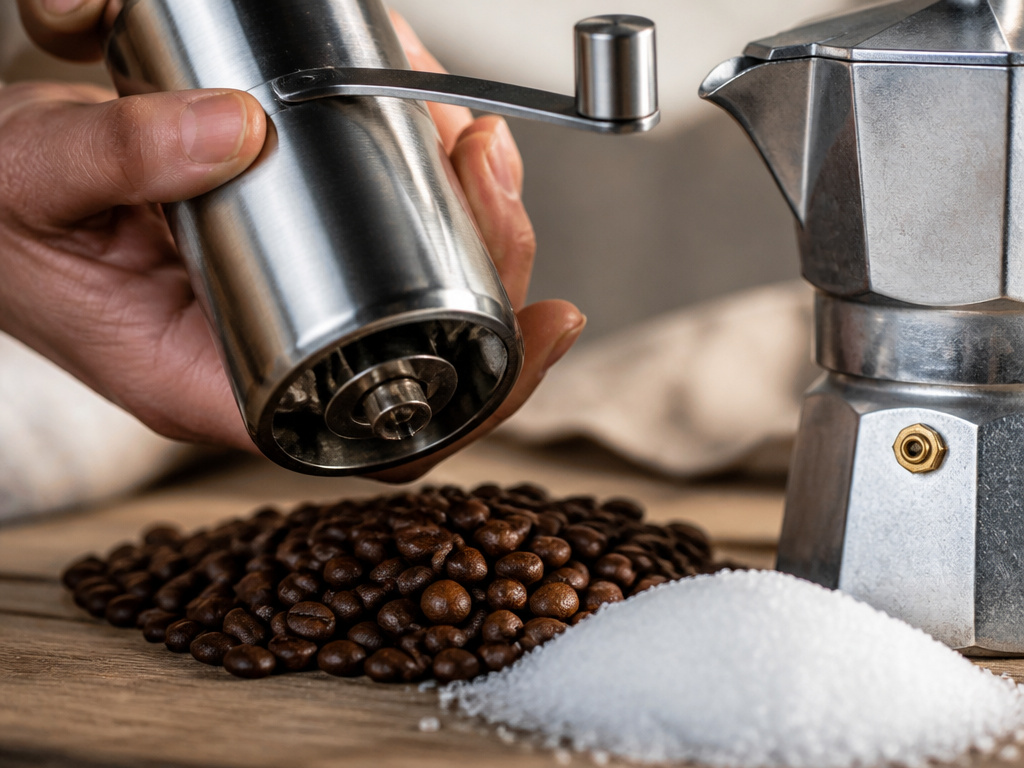
The rule has always been “use a dark roast.” Traditional brands like Café Bustelo or Pilón are robust, often blended coffees designed to cut through milk and sugar. They work perfectly. But the specialty coffee world has begun to ask: what if the coffee itself was sweet?
Some modern baristas are using high-quality, naturally processed Arabica beans from places like Honduras or Nicaragua, roasted to a medium-dark level. These beans develop more inherent sugars at lower roasting temperatures. The resulting Cubano is less ashy, with notes of cocoa, caramel, or dried fruit that complement the espumita instead of just fighting it. The Wikipedia entry on Cuban espresso notes the traditional use of dark roast but also acknowledges the drink’s evolution.
This shift requires a burr grinder for consistency. A blade grinder creates too many fines, which can over-extract and turn bitter in the moka pot, clashing with the sugar. A consistent fine grind from a burr grinder ensures even extraction, giving you a cleaner, sweeter base for your foam.
What a Cubano Is Not: Debunking the Myths
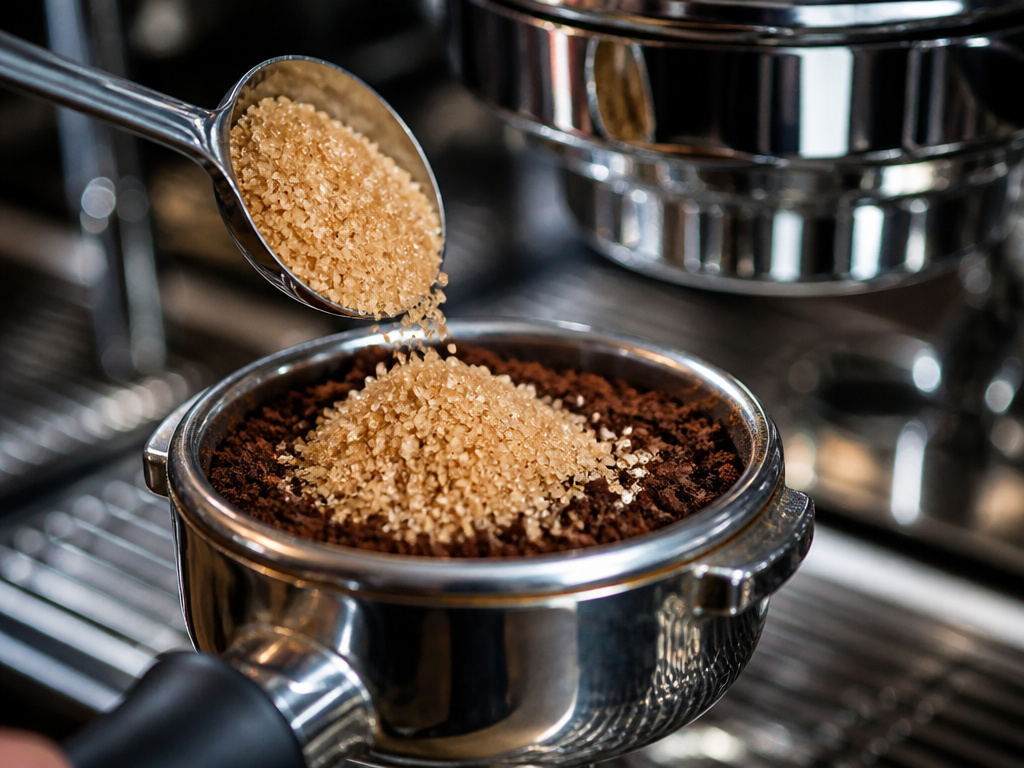
A persistent myth, especially online, is that you make a Cubano by tamping brown sugar on top of your espresso grounds and pulling a shot. This is a modern shortcut that misses the mark.
Putting sugar into the espresso machine portafilter is a convenient trick for a barista but results in a subpar shot and can harm the espresso machine. The sugar caramelizes on the hot grouphead and shower screen, causing sticky, gummy residue that is difficult to clean and can impede water flow.
The “sugar-in-portafilter” method also creates a different drink. The sugar melts and caramelizes under pressure, producing a sweeter, sometimes gritty shot, but it lacks the distinct aerated texture of a true espumita. It’s a hack, not tradition. If you want to use brown sugar for its molasses notes, whip it with the first drops the traditional way.
It’s also not a cortado or a café con leche. Those drinks include steamed milk. A Cubano is black coffee, transformed by sugar. The sweetness and technique of the espumita make it wholly unique from the milk-based coffee preparation styles that have recently gained global popularity.
Frequently Asked Questions
Can I make a Cubano with an espresso machine?
Yes, but the method changes. Pull your espresso shot directly into a pitcher containing your sugar. Use the first 5-10 grams of the shot, the “crema” and most concentrated part, to whip with the sugar into espumita. Then pour the remainder of the shot over it. Do not put sugar in the portafilter.
What’s the best sugar to use?
Demerara or raw cane sugar is traditional and adds a pleasant molasses depth. White granulated sugar works perfectly and allows the coffee flavor to be more forward. Avoid confectioners’ sugar (it contains cornstarch) and very coarse sugars that won’t dissolve during whipping.
Why is my espumita not foamy?
You likely used too much of the initial coffee or didn’t whip vigorously enough. The ratio should be roughly 1 part initial coffee liquid to 2 parts sugar by volume. Whip until your arm hurts, then whip for 15 more seconds. The transformation is physical work.
Is Cubano coffee the same as Cuban coffee?
Generally, yes. “Café Cubano,” “cafecito,” and “Cuban coffee” are used interchangeably to refer to the sweetened espresso drink. “Colada” specifically refers to a larger portion meant for sharing.
How do I serve it to a group?
Make a large batch in a moka pot or a series of shots. Whip the espumita in a bigger pitcher with proportionate sugar. Combine and serve in a thermal carafe or directly into a colada cup with a stack of small cups. It’s about the shared experience.
The Bottom Line
A Cubano coffee is a lesson in alchemy. It turns two simple ingredients, intensely strong coffee and raw sugar, into something greater through force, heat, and timing. The ritual of making it, from the watchful wait for the first drops to the arm-aching whip, is as much a part of the drink as the final taste.
Forget the machine hacks. Grab a moka pot, a spoon, and some dark roast. Your first attempt might not produce the perfect golden foam. That’s fine. The second or third one will. Once you taste that balance of sweet foam and potent coffee, you’ll understand why this tiny cup has fueled conversations, workdays, and communities for generations. It’s more than a caffeine delivery system. It’s a gesture in a cup.
{
“@context”: “https://schema.org”,
“@type”: “HowTo”,
“name”: “How to Make a Classic Café Cubano (Cuban Coffee)”,
“totalTime”: “PT10M”,
“tool”: [
{
“@type”: “HowToTool”,
“name”: “Moka pot (stovetop espresso maker)”
},
{
“@type”: “HowToTool”,
“name”: “Small metal pitcher or heatproof bowl”
},
{
“@type”: “HowToTool”,
“name”: “Spoon for whipping”
}
],
“supply”: [
{
“@type”: “HowToSupply”,
“name”: “Dark roast coffee, finely ground”
},
{
“@type”: “HowToSupply”,
“name”: “Demerara or white sugar (1-2 teaspoons per serving)”
}
],
“step”: [
{
“@type”: “HowToStep”,
“name”: “Brew the coffee”,
“text”: “Fill your moka pot and brew on medium-low heat until the first dark, concentrated drops emerge from the spout.”
},
{
“@type”: “HowToStep”,
“name”: “Capture the first drops”,
“text”: “Place 1-2 teaspoons of sugar in your metal pitcher. As soon as the first few drops of coffee brew, catch them directly into the sugar.”
},
{
“@type”: “HowToStep”,
“name”: “Whip the espumita”,
“text”: “Remove the moka pot from heat. Vigorously whip the sugar and coffee drops with a spoon until it transforms into a thick, pale golden foam. This takes 30-60 seconds of constant whipping.”
},
{
“@type”: “HowToStep”,
“name”: “Combine and serve”,
“text”: “Pour the remaining brewed coffee from the moka pot over the whipped espumita. Stir gently to combine, letting the foam rise to the top. Serve immediately in small cups.”
}
]
}
{
“@context”: “https://schema.org”,
“@type”: “FAQPage”,
“mainEntity”: [
{
“@type”: “Question”,
“name”: “Can I make a Cubano with an espresso machine?”,
“acceptedAnswer”: {
“@type”: “Answer”,
“text”: “Yes, but the method changes. Pull your espresso shot directly into a pitcher containing your sugar. Use the first 5-10 grams of the shot, the \”crema\” and most concentrated part, to whip with the sugar into espumita. Then pour the remainder of the shot over it. Do not put sugar in the portafilter.”
}
},
{
“@type”: “Question”,
“name”: “What’s the best sugar to use?”,
“acceptedAnswer”: {
“@type”: “Answer”,
“text”: “Demerara or raw cane sugar is traditional and adds a pleasant molasses depth. White granulated sugar works perfectly and allows the coffee flavor to be more forward. Avoid confectioners’ sugar (it contains cornstarch) and very coarse sugars that won’t dissolve during whipping.”
}
},
{
“@type”: “Question”,
“name”: “Why is my espumita not foamy?”,
“acceptedAnswer”: {
“@type”: “Answer”,
“text”: “You likely used too much of the initial coffee or didn’t whip vigorously enough. The ratio should be roughly 1 part initial coffee liquid to 2 parts sugar by volume. Whip until your arm hurts, then whip for 15 more seconds. The transformation is physical work.”
}
},
{
“@type”: “Question”,
“name”: “Is Cubano coffee the same as Cuban coffee?”,
“acceptedAnswer”: {
“@type”: “Answer”,
“text”: “Generally, yes. \”Café Cubano,\” \”cafecito,\” and \”Cuban coffee\” are used interchangeably to refer to the sweetened espresso drink. \”Colada\” specifically refers to a larger portion meant for sharing.”
}
},
{
“@type”: “Question”,
“name”: “How do I serve it to a group?”,
“acceptedAnswer”: {
“@type”: “Answer”,
“text”: “Make a large batch in a moka pot or a series of shots. Whip the espumita in a bigger pitcher with proportionate sugar. Combine and serve in a thermal carafe or directly into a colada cup with a stack of small cups. It’s about the shared experience.”
}
}
]
}
