
How to Use a Mr Coffee Espresso Machine for Cafe-Quality Results
To use a Mr Coffee espresso machine, grind coffee to a fine espresso consistency, tamp it firmly into the portafilter, lock it in, and start the brew cycle. For milk drinks, use the steam wand to heat and froth milk to 150–155°F before combining. The machine’s 15-bar pump needs a tightly packed puck to build proper pressure; a loose tamp yields weak, sour espresso in under 20 seconds.
Most people treat the included tamper like a suggestion. They sprinkle in pre-ground coffee, give it a gentle pat, and wonder why the shot sprays everywhere and tastes like battery acid. The machine can’t work if you don’t give it the right resistance.
This guide walks through the actual mechanics. You’ll learn the tamping pressure the manual leaves out, the steam wand trick that changes the foam texture, and how to stop wasting beans on underwhelming shots.
Key Takeaways
- The Mr Coffee 15-bar pump requires a firmly tamped puck (20-30 lbs of pressure) to build extraction pressure. A light tamp causes the water to channel through weak spots, producing a fast, sour shot.
- Remove the black plastic frothing aid from the steam wand for better microfoam control. This lets you submerge the wand tip deeper to stretch the milk with less large-bubble aeration.
- Stop the brew shot when the stream turns from dark brown to a pale, honey-blonde color. Letting it run to the machine’s automatic stop often over-extracts the tail end of the shot, adding bitterness.
- Always purge the steam wand for 2-3 seconds after frothing. Residual milk inside the wand cooks and clogs the small steam holes, which will ruin your next latte and is a pain to clean.
- Use the machine’s included scoop for dosing consistency, but replace its plastic tamping end with a proper metal tamper. The scoop’s base is too small and uneven to compress the full basket.
What a Mr Coffee Espresso Machine Actually Is
Calling it an espresso machine sets certain expectations. This isn’t a commercial La Marzocco. It’s a purpose-built home appliance designed to automate the pressure and steaming that make espresso-based drinks possible. The Mr Coffee Café Barista, for example, uses a 15-bar pump system to force hot water through compacted grounds. That’s the same basic principle as machines costing ten times more.
The difference is in the margin for error. A professional machine has more thermal mass, finer pressure control, and a commercial-grade grinder upstream. The Mr Coffee has a small boiler, a fixed pump pressure, and relies entirely on you to prepare the coffee puck correctly. Get the grind and tamp wrong, and the 15-bar pump has nothing to push against. The water blasts through in seconds.
The Mr Coffee Café Barista semi-automatic espresso maker measures 13.2 by 8.9 by 13.7 inches, operates on a 15-bar pump, and includes a dual-purpose filter holder for single or double shots. Its steam wand is attached to the same boiler as the brew group.
That last detail matters. You cannot brew and steam simultaneously. The workflow is sequential: pull your shot, then switch the knob to steam mode. The boiler reheats to steam temperature, which takes a minute. Plan your drink around that order.
The 5-Step Mr Coffee Espresso Pull (And the One Step Everyone Skips)
The process isn’t magic. It’s a chain of physical steps where each link has to hold. Break one, and the shot is mediocre.
1. Grind Fine, Dose Consistent
Start with whole beans and a burr grinder. Blade grinders create a mix of dust and boulders that will channel terribly. You need a fine, powdery consistency, finer than drip coffee, but not quite as fine as Turkish powder. It should feel like table salt or fine sand.
Use the machine’s included plastic scoop to measure. The official Mr Coffee ECMP30/33 manual specifies this scoop for a reason, it’s pre-measured for the basket size. Fill the portafilter basket, mound it slightly, then level it off with your finger. Do not pack it yet.
Why this matters: An inconsistent burr vs blade grinder creates pockets of uneven density. Water follows the path of least resistance, rushing through the loose areas and over-extracting the dusty ones. You get sour and bitter in the same cup.
2. Tamp With Your Weight, Not Your Fingers
This is the skipped step. The included tamper on the scoop is nearly useless. Its small, plastic base doesn’t cover the full basket, leading to an uneven puck edge.
You need a firm, level press. Apply 20 to 30 pounds of downward force. That’s the weight of a medium-sized dog, not a gentle pat. Place the tamper in the basket, align it level, and press straight down until the grounds stop compressing. Do not twist or polish. You’re creating a sealed, uniform coffee puck that the pump pressure can work against.
Common mistake: A light, tentative tamp, the pump water jets through the weakest point in under 5 seconds, the portafilter sputters, and the shot tastes aggressively sour and thin. You’ll blame the beans or the machine, but it’s the tamp.
3. Lock, Brew, and Watch the Stream
Wipe any loose grounds from the basket rim. This is crucial, a single grain can break the seal with the group head. Lock the portafilter into place with a firm turn until it’s snug. Don’t wrench it; you’re compressing a rubber gasket, not threading a bolt.
Place your pre-warmed demitasse cup or shot glass underneath. Press the brew button. Watch the stream.
- First 5-10 seconds: The stream should be dark brown, almost syrupy, and flow in a single, steady mouse tail.
- 10-20 seconds in: It will start to lighten to a caramel hue.
- The stop signal: When the stream turns a pale, honey-blonde, manually stop the machine. This is usually around 25-35 seconds for a double shot (about 2 ounces or 59mL).
The machine might have an auto-stop function. Ignore it. Letting it run to the end often means extracting the bitter, watery remnants of the puck.
TL;DR: Stop the shot at the blonde. The auto-cycle over-extracts.
4. The Immediate Cleanup Ritual
Knock the spent puck into the trash or a dedicated knock-box. Rinse the portafilter basket under warm water to remove coffee oils. Wipe the group head gasket with a damp cloth to clear any ground coffee residue.
If you skip this, the next shot will taste like burnt coffee. The oils go rancid with heat, and old grounds compromise the seal.
5. Diagnosing Your Shot
Your eyes and tongue tell you what to adjust.
| What You See & Taste | Likely Cause | The Fix |
|---|---|---|
| Shot runs very fast (<20 sec), tastes sour, thin | Grind is too coarse OR tamp pressure too light | Grind finer first. If already fine, increase tamp pressure. |
| Shot runs very slow (>40 sec), tastes bitter, harsh | Grind is too fine OR tamp pressure too heavy | Grind coarser first. If already coarse, ease off the tamp. |
| Shot sprays or splutters | Uneven tamp OR wet grounds in basket | Ensure a level, firm tamp. Dry basket thoroughly before dosing. |
| Shot is weak and watery | Under-dosed basket OR stale coffee | Use the full scoop. Switch to fresher, recently roasted beans. |
Steaming Milk on the Mr Coffee: The Wand Hack
The steam wand on these machines has a black plastic sleeve or cappuccino frother attachment. It’s designed to be beginner-friendly by injecting large amounts of air quickly. For latte-quality microfoam, take it off. The YouTube transcript from a real user confirms this: “we took it off we just liked how it worked better without it.”
Without the sleeve, you have a bare metal wand with one or two small holes. This gives you direct control.
- Fill a small metal pitcher with cold milk. For one drink, start with about 6 ounces. Whole milk froths best due to its fat and protein content.
- Submerge the wand tip about half an inch below the milk’s surface.
- Turn the steam knob. You should hear a subtle, paper-tearing sound, not a loud slurping or big bubbles.
- Keep the wand tip near the surface to stretch the milk (incorporate air) for 4-5 seconds, then submerge it slightly to whirlpool and heat the milk. This incorporates the foam.
- Heat the milk to 150–155°F. The pitcher will be hot to the touch but not unbearable. Go hotter, and the milk scolds and tastes cooked.
- Turn off the steam, remove the pitcher, and immediately purge the wand. Turn the steam knob again for 2-3 seconds into a damp cloth to clear any milk from the internal tube.
Why the purge is non-negotiable: Milk residue in the wand cooks and solidifies. It blocks the steam holes and can eventually cause the wand to weep water during brewing. It’s the most common reason for a weak froth on the next use.
Maintenance That Prevents the Service Call
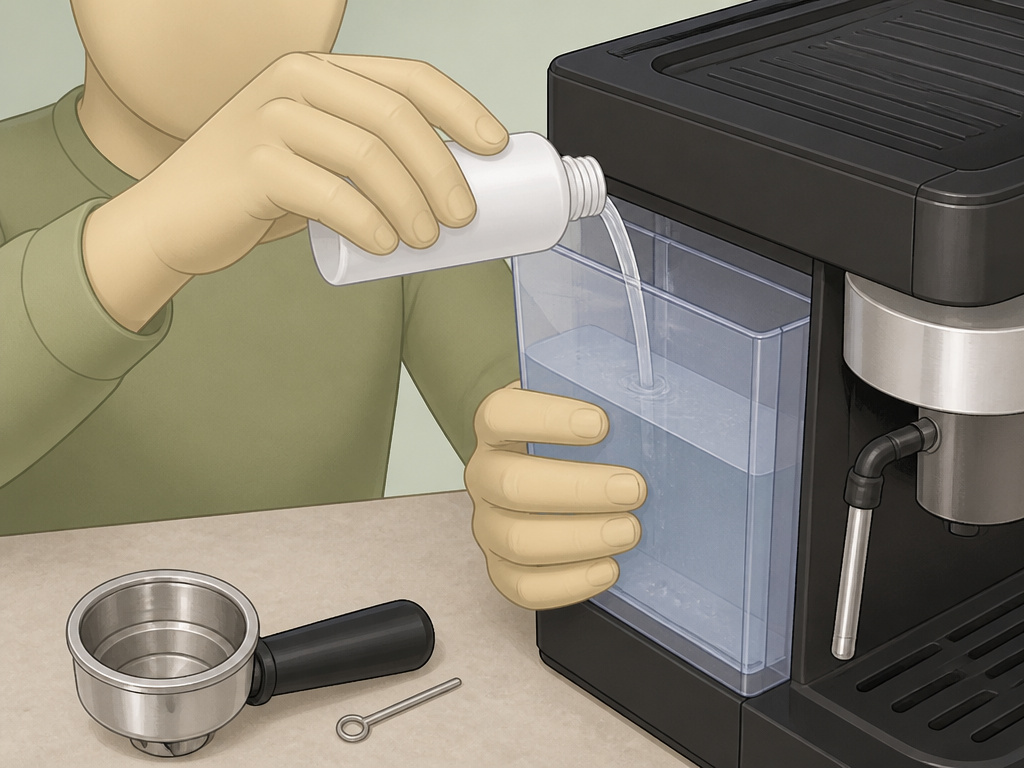
These machines are simple, but they fail from neglect, not use.
- Daily: After your last drink, run a clear water brew cycle without coffee to flush the group head. Wipe the steam wand clean.
- Weekly: Remove the portafilter basket and soak it in warm, soapy water. Soak the drip tray and water reservoir. Use a pin or needle to clear the steam wand holes if you see any blockage.
- Descaling: This is the big one. Scale builds from minerals in your water, coating the heating element and reducing efficiency. How often depends on your water hardness. If you see white flakes in the water reservoir or the machine takes longer to heat, it’s time.
Use a liquid descaling solution made for espresso machines, not vinegar. Follow the instructions in your Black & Decker coffee maker manual or other appliance guides for the general process: fill the reservoir with solution, run several brew cycles, then rinse thoroughly with multiple tanks of fresh water. The exact steps for your model are in the official PDF manual.
Mr Coffee vs. The Espresso Purists
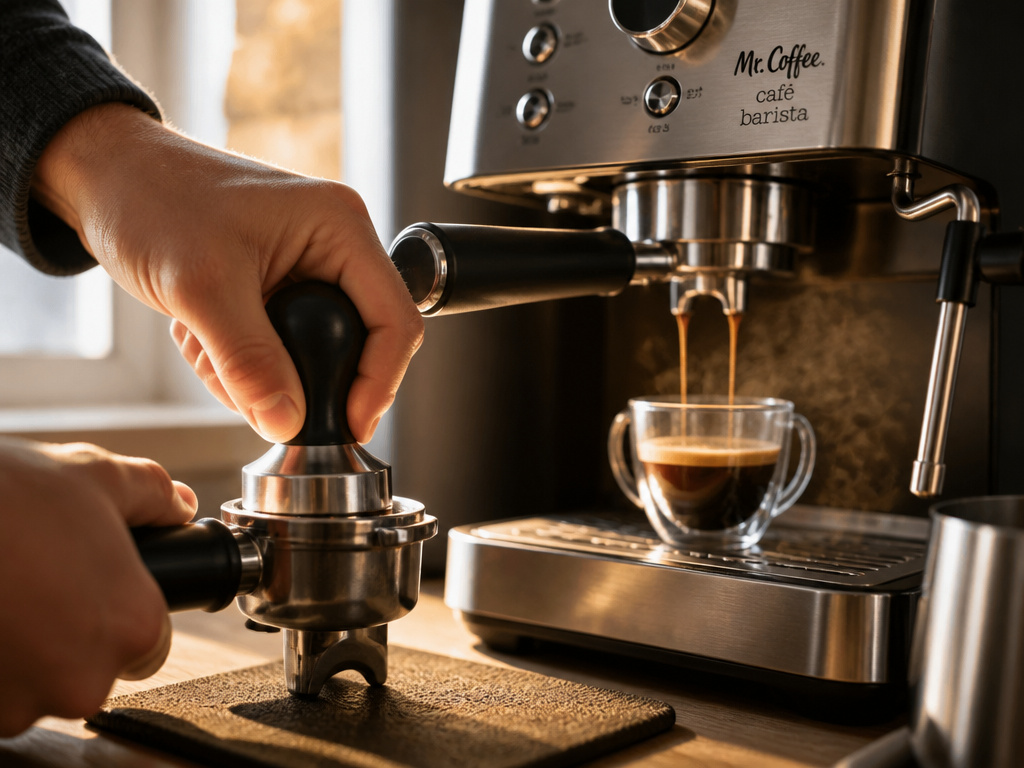
Let’s be direct. A Mr Coffee machine will not produce the same layered, syrupy shot as a $3,000 machine with a saturated group and PID control. That’s not its job.
Its job is to deliver a solid, honest shot of espresso and steamed milk for a latte or cappuccino at 7 AM without a 30-minute warm-up or a chemistry degree. It wins on convenience and footprint. It loses on absolute flavor precision and steam power.
For a first machine, or for someone who wants a weekend latte without a cafe trip, it’s a competent tool. Pair it with a decent burr grinder and fresh beans, and you will make drinks that are miles better than any pod system. Just respect its limits, and its need for a proper tamp.
Frequently Asked Questions
What kind of coffee grind should I use?
You need a fine espresso grind. Pre-ground “espresso” coffee from the supermarket can work in a pinch, but for best results, grind whole beans fresh with a burr grinder. The consistency should be like fine sand or table salt. This is the single biggest upgrade you can make to your shot quality.
How do I clean the steam wand?
After each use, wipe the exterior with a damp cloth. Then, always purge it: turn the steam knob on for 2-3 seconds into a cloth to blast out any internal milk residue. For a deep clean, remove the outer plastic sleeve if present and soak the metal tip in warm, soapy water, using a pin to clear the tiny steam holes.
Can I make regular coffee with it?
No. Mr Coffee espresso machines are designed specifically to make espresso shots using pressure. They do not have a drip coffee function. For a large pot of coffee, you’d use a separate drip machine, like those covered in a Braun coffee maker manual. For an espresso-based drink that resembles American coffee, you can make an espresso-based drink like an Americano by adding hot water to a shot.
Why is my espresso so weak and watery?
This is almost always a prep issue. The three main culprits are: coffee ground too coarse, insufficient tamping pressure, or using stale coffee. The machine’s pump needs resistance. Ensure you’re using a fine grind, applying firm tamp pressure (20-30 lbs), and filling the basket completely with fresh beans.
How do I descale my Mr Coffee machine?
Use a commercial descaling solution formulated for espresso machines. Run the solution through the brew cycle as directed, then run multiple cycles of clear water to rinse. Never use vinegar, as it can damage internal seals and leave a lasting odor. Regular descaling prevents mineral buildup that affects taste and heating.
Before You Go
The Mr Coffee espresso machine is a gateway. It teaches you the fundamentals of dose, tamp, and extraction time without a terrifying price tag. Its success hinges on your willingness to grind fine, tamp hard, and stop the shot when it blondes. The steam wand, once freed from its plastic cover, is capable of producing decent microfoam for lattes.
Remember that the machine is an appliance. Its performance is directly tied to your input and your maintenance. Keep it clean, descale it regularly, and pair it with fresh, well-ground beans. It won’t make you a world barista champion, but it will make your morning ritual significantly better. That’s the whole point.
{
“@context”: “https://schema.org”,
“@type”: “HowTo”,
“name”: “How to Use a Mr Coffee Espresso Machine”,
“totalTime”: “PT15M”,
“tool”: [
{
“@type”: “HowToTool”,
“name”: “Mr Coffee espresso machine (Café Barista or similar)”
},
{
“@type”: “HowToTool”,
“name”: “Fine espresso grind coffee”
},
{
“@type”: “HowToTool”,
“name”: “Portafilter and tamper (often included)”
},
{
“@type”: “HowToTool”,
“name”: “Milk pitcher and thermometer”
}
],
“step”: [
{
“@type”: “HowToStep”,
“name”: “Grind and dose the coffee”,
“text”: “Use a fine espresso grind and fill the portafilter basket. Level the grounds with your finger.”
},
{
“@type”: “HowToStep”,
“name”: “Tamp with firm, even pressure”,
“text”: “Press down with 20-30 pounds of force to create a level, compact puck. Do not twist.”
},
{
“@type”: “HowToStep”,
“name”: “Lock the portafilter and start the brew”,
“text”: “Secure the portafilter into the group head. Press the brew button and let the cycle run until the stream blondes.”
},
{
“@type”: “HowToStep”,
“name”: “Steam the milk”,
“text”: “Submerge the steam wand tip just below the milk’s surface. Turn the steam knob until the milk reaches 150-155°F, then purge the wand.”
},
{
“@type”: “HowToStep”,
“name”: “Assemble the drink”,
“text”: “Pour the espresso into your cup, then add the steamed milk. For a latte, pour milk through the foam.”
}
]
}
{
“@context”: “https://schema.org”,
“@type”: “FAQPage”,
“mainEntity”: [
{
“@type”: “Question”,
“name”: “What kind of coffee grind should I use?”,
“acceptedAnswer”: {
“@type”: “Answer”,
“text”: “You need a fine espresso grind. Pre-ground \”espresso\” coffee from the supermarket can work in a pinch, but for best results, grind whole beans fresh with a burr grinder. The consistency should be like fine sand or table salt. This is the single biggest upgrade you can make to your shot quality.”
}
},
{
“@type”: “Question”,
“name”: “How do I clean the steam wand?”,
“acceptedAnswer”: {
“@type”: “Answer”,
“text”: “After each use, wipe the exterior with a damp cloth. Then, always purge it: turn the steam knob on for 2-3 seconds into a cloth to blast out any internal milk residue. For a deep clean, remove the outer plastic sleeve if present and soak the metal tip in warm, soapy water, using a pin to clear the tiny steam holes.”
}
},
{
“@type”: “Question”,
“name”: “Can I make regular coffee with it?”,
“acceptedAnswer”: {
“@type”: “Answer”,
“text”: “No. Mr Coffee espresso machines are designed specifically to make espresso shots using pressure. They do not have a drip coffee function. For a large pot of coffee, you’d use a separate drip machine, like those covered in a Braun coffee maker manual. For an espresso-based drink that resembles American coffee, you can make an espresso-based drink like an Americano by adding hot water to a shot.”
}
},
{
“@type”: “Question”,
“name”: “Why is my espresso so weak and watery?”,
“acceptedAnswer”: {
“@type”: “Answer”,
“text”: “This is almost always a prep issue. The three main culprits are: coffee ground too coarse, insufficient tamping pressure, or using stale coffee. The machine’s pump needs resistance. Ensure you’re using a fine grind, applying firm tamp pressure (20-30 lbs), and filling the basket completely with fresh beans.”
}
},
{
“@type”: “Question”,
“name”: “How do I descale my Mr Coffee machine?”,
“acceptedAnswer”: {
“@type”: “Answer”,
“text”: “Use a commercial descaling solution formulated for espresso machines. Run the solution through the brew cycle as directed, then run multiple cycles of clear water to rinse. Never use vinegar, as it can damage internal seals and leave a lasting odor. Regular descaling prevents mineral buildup that affects taste and heating.”
}
}
]
}
