
Cold Brew and Espresso Combined: Crafting the Ideal Hybrid
To make cold brew coffee with espresso, combine equal parts cold brew concentrate and freshly pulled espresso over ice. Shake them together in a cocktail shaker for a frothy, integrated drink called a Shakerato, or layer them for a visual effect. This merges cold brew’s smooth, low-acid body with espresso’s intense, aromatic punch.
Most guides treat this as a simple pour-over. They miss the chemical reason the flavors fuse instead of clash. The hot espresso’s volatile compounds get trapped by the rapid chill from the cold brew and ice. Skip the shake, and you just get two separate coffees in one glass.
This guide covers the two methods that actually work, why the combination is more than the sum of its parts, and what to do when you don’t have an espresso machine. We’ll also explain why that “cold brew” button on your super-automatic machine is lying to you.
Key Takeaways
- The Shakerato method (shaking espresso and cold brew with ice) creates a uniquely frothy, well-chilled, and integrated drink in under 80 seconds, superior to simple pouring.
- A 1:1 ratio of cold brew concentrate to espresso is the ideal starting point for balancing smoothness and intensity without dilution.
- Avoid machine “cold brew” cycles on devices like the Breville Oracle; they run a fast, cooled extraction that tastes like weak, hot coffee, not true cold brew.
- True cold brew requires a 12-24 hour steep in cold water, extracting different compounds (fewer acids, more sugars) than any fast method can replicate.
- For a low-acid, high-caffeine hybrid, use a dark roast for your cold brew and a medium or light roast for your espresso to layer flavor complexity.
The Two Best Methods for Cold Brew Espresso
You have two proven paths. One is fast, theatrical, and balances the flavors perfectly. The other is layered, slow-sipped, and highlights each component. Both start with the same two ingredients: a double shot of espresso and cold brew concentrate.
A true cold brew extraction requires time, not just temperature. Steeping coarse grounds in cold water for 12–24 hours produces a brew with 67% less acidity and different soluble compounds than hot brewing, according to a study on cold brew coffee physicochemical study. No machine that finishes in minutes can replicate this.
Method 1: The Espresso Shakerato (Fast & Integrated)
This is the barista’s choice. It’s the method from the YouTube transcript where the shot is pulled directly over a frozen steel ball, but we’re using a shaker for accessibility.
- Pull a fresh double espresso (about 2 oz / 60g) directly into a pre-heated shot glass or small pitcher. Stale espresso turns sour and will dominate the mix.
- Fill a cocktail shaker 2/3 with ice. Use large cubes—they melt slower and dilute less during the shake.
- Add the hot espresso and 2 oz of cold brew concentrate to the shaker. The thermal shock is intentional.
- Seal tightly and shake hard for 12–15 seconds. Shake until the metal shaker is too cold to hold. This rapid chilling and aeration create a velvety micro-foam.
- Strain into a chilled glass. A coupe or a rocks glass works. You’ll get a frothy, creamy head and a uniformly chilled drink.
TL;DR: Shake equal parts fresh espresso and cold brew with ice for 15 seconds. The violent chill and aeration create a frothy, perfectly blended drink that’s cold to the core.
Method 2: The Layered Pour (Slow & Distinct)
This is for the contemplative sipper who wants to taste the journey. The goal is to keep the espresso and cold brew somewhat separate, creating a changing flavor profile.
- Start with ice. Fill a clear glass with ice cubes. The ice provides a physical barrier to slow mixing.
- Pour the cold brew concentrate first. Add 2–3 oz, letting it settle to the bottom.
- Slowly pour the espresso over the back of a spoon held just above the cold brew. The spoon disperses the espresso’s force, allowing it to float on top.
- Serve immediately with a straw. The first sip is bold espresso, the last is smooth cold brew, and the middle is your own personal blend.
| Method | Best For | Key Risk If Skipped |
|---|---|---|
| Shakerato | Drinkability, texture | Shaking less than 10 secs leaves the espresso warm and the foam weak. |
| Layered Pour | Visual appeal, tasting notes | Pouring espresso directly without a spoon mixes instantly, losing the effect. |
| Simple Mix & Stir | Absolute speed | The espresso remains thermally hot, melting ice fast and watering down the drink. |
Common mistake: Using room-temperature or old cold brew concentrate. The concentrate must be fridge-cold to chill the espresso effectively. A warm concentrate results in a lukewarm, diluted final drink.
Why This Combo Works (The Science)
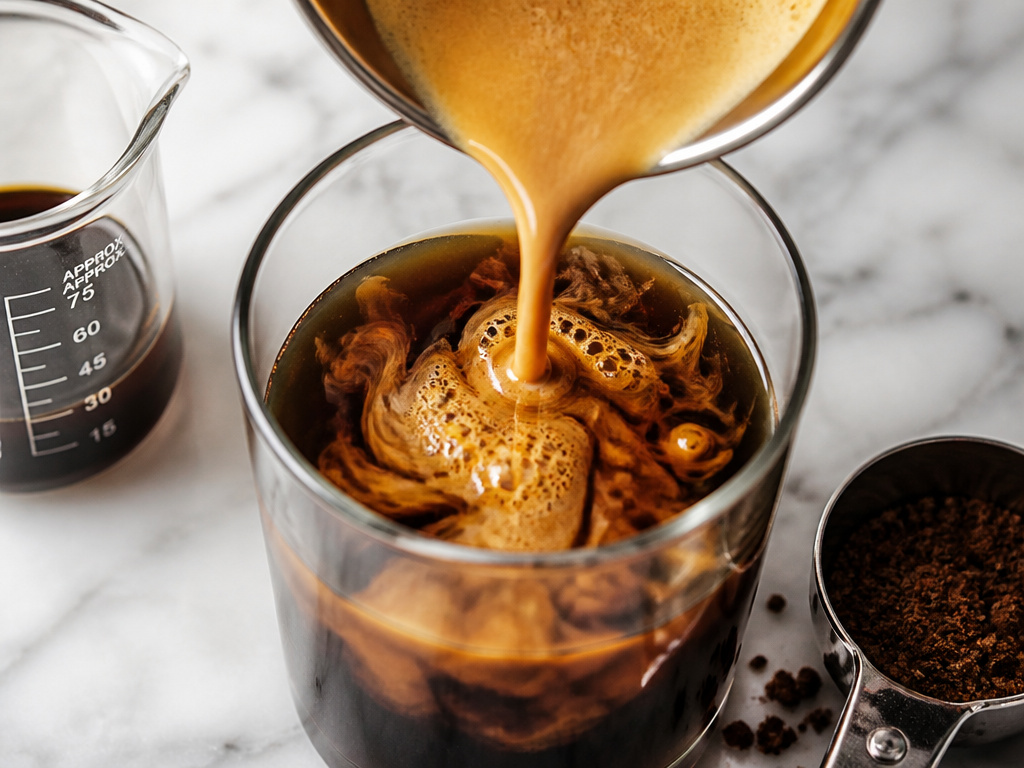 This isn’t just mixing two coffees. It’s a deliberate chemical handshake. Hot water extraction (espresso) pulls out volatile aromatic compounds and acids. Cold water extraction (cold brew) pulls out sugars, oils, and caffeine more slowly, leaving most acids behind.
When you combine them, especially with rapid chilling like in the Shakerato, you preserve those volatile espresso aromatics that would otherwise oxidize and vanish. The cold brew’s body acts as a buffer, rounding out the espresso’s sharp edges. A PMC study on coffee extraction methods found that extraction method drastically changes the antioxidant activity and sensory profile of the final brew. Combining methods gives you a wider spectrum of flavors and compounds in one cup.
Think of it like this. Espresso is a bright, sharp trumpet note. Cold brew is a smooth, deep cello line. Played separately, they’re fine. Played together with correct timing, they create harmony.
Common mistake: Assuming more espresso means more caffeine. While espresso has more caffeine per ounce, cold brew concentrate is typically consumed in larger volumes. A 2oz shot of espresso has about 80mg of caffeine. Two ounces of a strong cold brew concentrate can have 100-150mg. Your hybrid drink’s total espresso caffeine content depends on your ratio.
What About My Machine’s “Cold Brew” Button?
Ignore it. I tested the cycle on a Breville Oracle Touch. The machine ground, tamped, and then ran a very fast, cooled water extraction. It produced a clear, light brown liquid in about 80 seconds.
It tasted like under-extracted, lukewarm filter coffee. None of the silky body or natural sweetness of real cold brew. These functions are a marketing feature, not a true brewing method. They cannot replicate the long steeping time required for proper cold water extraction. Save your expensive single-origin coffee beans for actual hot espresso or real cold brew.
Choosing Your Coffee Beans
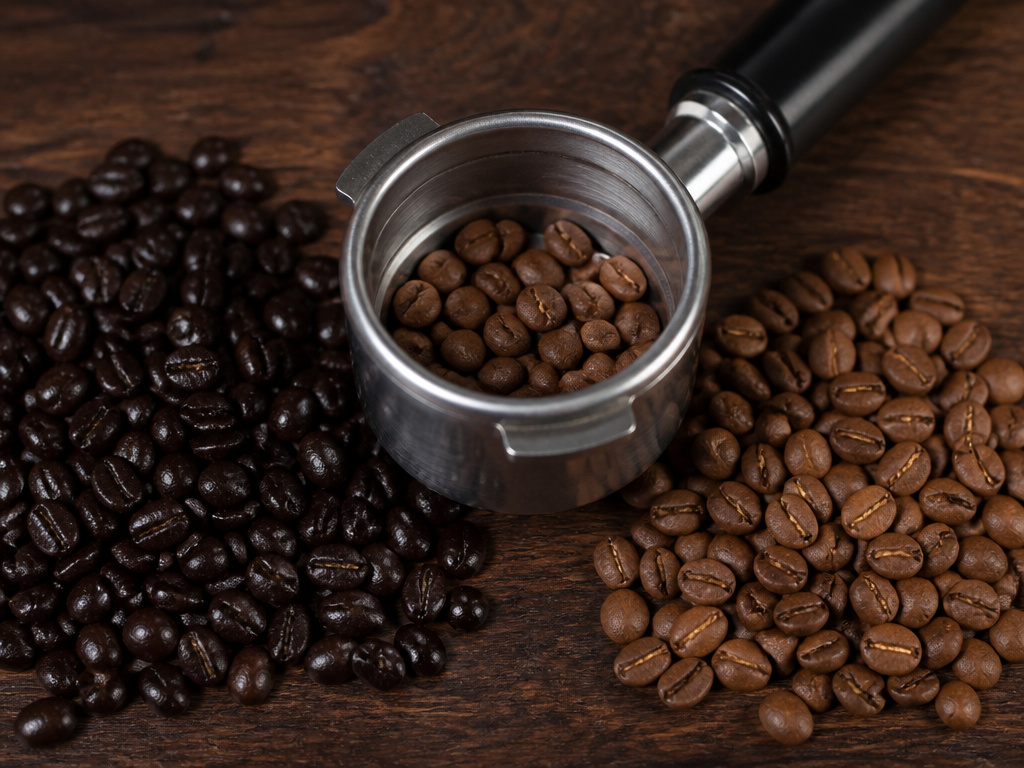 Your bean choice defines the character of your hybrid. You can aim for harmony or contrast.
For a Unified, Chocolatey Profile:
Use the same bean for both components. A medium-dark roast Brazilian or Sumatran works well. Its low acidity and notes of cocoa and nuts will express through both extraction methods, creating a consistent flavor. This is a safe start.
For Complex, Layered Contrast:
Use different beans. This is the advanced play. Make your cold brew with a dark roast for a smooth, smoky base. Pull your espresso with a fruity, light roast Arabica coffee beans from Ethiopia or Kenya. The result is a drink that starts with bright berry notes from the espresso and finishes with deep, sweet chocolate from the cold brew. The key is ensuring both extractions are well-executed to avoid one component tasting flawed.
| Cold Brew Bean | Espresso Bean | Resulting Flavor Profile |
|---|---|---|
| Dark Roast Blend | Medium-Dark Roast Blend | Unified, nutty, low-acid, heavy body. |
| Light Roast Single | Same Light Roast Single | Bright, tea-like, potentially too acidic if not balanced with sweetness. |
| Dark Roast Blend | Light Roast Single | High contrast: smoky base with a bright, fruity top note. |
No Espresso Machine? Use a Moka Pot.
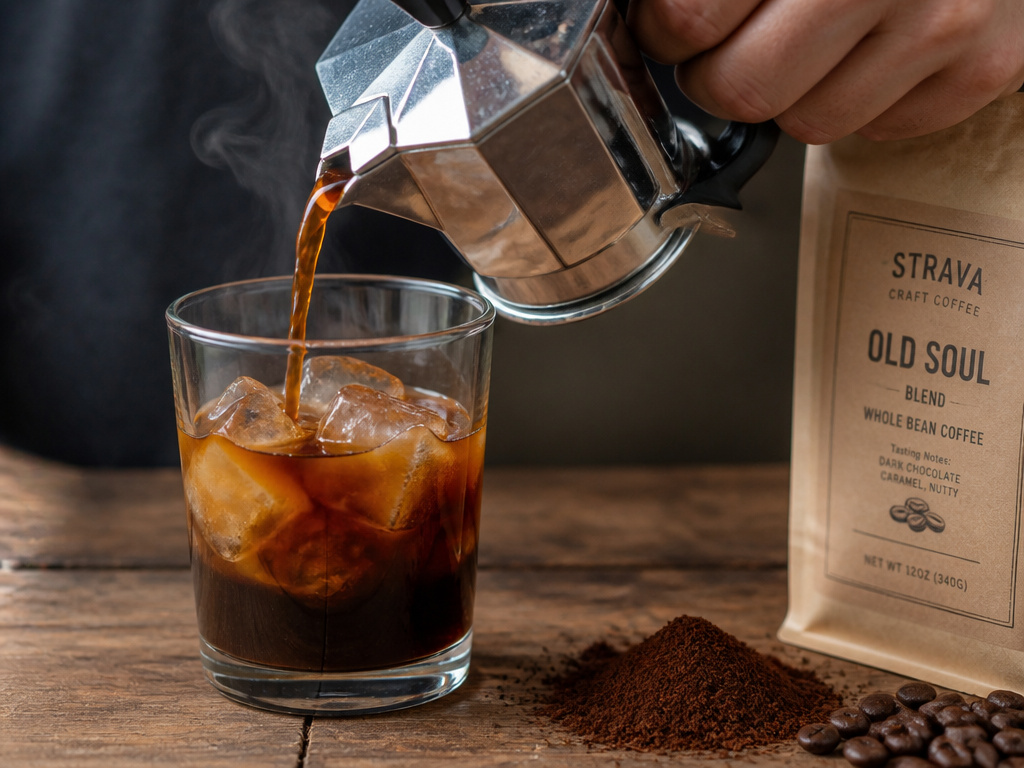 A Moka pot makes a strong, concentrated coffee that can stand in for espresso in a pinch. It won’t have the same crema or intense pressure extraction, but it provides the necessary boldness.
- Brew your Moka pot coffee as usual, but use a fine grind (finer than drip, but not espresso-powder fine).
- Let the brew cool for a minute. Pouring boiling-hot Moka pot coffee directly onto ice creates a harsh, bitter flavor from over-extraction.
- Use it immediately in the Shakerato or layered pour method. You may want to use a slightly higher ratio of Moka coffee to cold brew (e.g., 1.5:1) to compensate for its slightly lower strength compared to true espresso.
This method opens the door for anyone to experiment with espresso-based drinks without a large machine investment.
Pro Variations & Serving Ideas
Once you master the basic 1:1 Shakerato, tweak it.
The Vanilla Maple Hybrid:
Add 1/2 oz of maple syrup and a few drops of vanilla extract to the shaker before adding the coffee and ice. The sweetness and aroma complement the roasted notes beautifully.
The Nitro Twist:
Pour your finished cold brew espresso hybrid into a whipped cream charger with one N2O cartridge. Charge, shake, and dispense into a glass. You’ll get a cascading, Guinness-like effect with a dense, creamy head. This works best with the Shakerato base, as it’s already integrated.
Dairy and Alternative Additions:
A splash of oat milk or whole milk added after shaking (or layered underneath) creates a decadent, dessert-like drink. For a clearer flavor, skip dairy and enjoy the pure coffee fusion, perhaps with a coffee sweetener like demerara syrup.
Remember, your coffee grind consistency is the foundation. A consistent coarse grind for cold brew and a fine grind for espresso are non-negotiable for quality in each component.
Frequently Asked Questions
Is cold brew with espresso stronger than regular coffee?
Yes, typically. You are combining two highly concentrated coffee forms. A drink made with 2oz of espresso (≈80mg caffeine) and 2oz of cold brew concentrate (≈100-150mg caffeine) can contain 180-230mg of caffeine. Compare that to an 8oz cup of drip coffee method at 95mg. It’s a potent mix.
What’s the difference between this and an iced Americano?
An Americano is espresso diluted with cold water, then poured over ice. It’s a diluted espresso. Cold brew espresso uses cold brew concentrate as the diluting agent, which adds its own full-bodied, sweet flavor profile instead of just water. The texture and taste are richer.
Can I use cold brew instead of water in an Americano?
Absolutely. This is essentially what a layered cold brew espresso is. It’s sometimes called an “Espresso Brew” or “Cold Brew Americano.” It’s a fantastic way to upgrade a standard Americano.
Does shaking espresso ruin the crema?
It transforms it. The crema, which is mostly CO2 and oils, gets broken down and incorporated into the entire drink through shaking. You lose the distinct layer, but you gain a smooth, creamy texture throughout the liquid. It’s not ruined; it’s repurposed.
What roast is best for cold brew concentrate?
Dark to medium-dark roasts are classic for cold brew. They yield the chocolatey, smooth, low-acid profile that defines the method. You can use a light roast coffee, but it requires a shorter steep time (12-14 hours) to avoid excessive acidity and astringency.
Before You Go
Cold brew with espresso is a weekend project, not a weekday habit. It requires two separate brewing processes done well. Start with the Shakerato method—it’s forgiving and impressive. Use a 1:1 ratio with a bean you know you like. Avoid the gimmicky machine buttons.
The goal is a drink that’s both strong and smooth, intense and sippable. When you get it right, it tastes like the best parts of both coffee worlds decided to collaborate. Keep your cold brew concentrate cold, your espresso fresh, and your shaker ready.
